Dual Listings and Capital Markets Integration on BIVA and NASDAQ

Mexican issuers are increasingly pursuing dual listings on the Institutional Stock Exchange (BIVA) and U.S. markets such as NASDAQ to expand investor reach. In 2025, several Mexican mid-cap firms in technology, fintech, and real estate announced dual listings, aiming to capture both domestic liquidity and access to global institutional investors. Analysts highlight that dual listings […]
Renewable Energy Projects Face Policy Uncertainty but Strong Investor Demand

Mexico’s renewable energy sector continues to attract capital despite policy headwinds.
Family Offices Turn to Private Credit in Mexico

Family offices are ramping up exposure to private credit opportunities in Mexico, seeking double-digit yields and secured lending structures. Mortgage-backed loans and SME financing vehicles are the most common formats, with average yields in the 12–15% range. These investments are collateralized by real estate or operating assets, reducing downside risk compared to unsecured debt. Managers […]
Peso-Denominated Bonds Attract Foreign Inflows
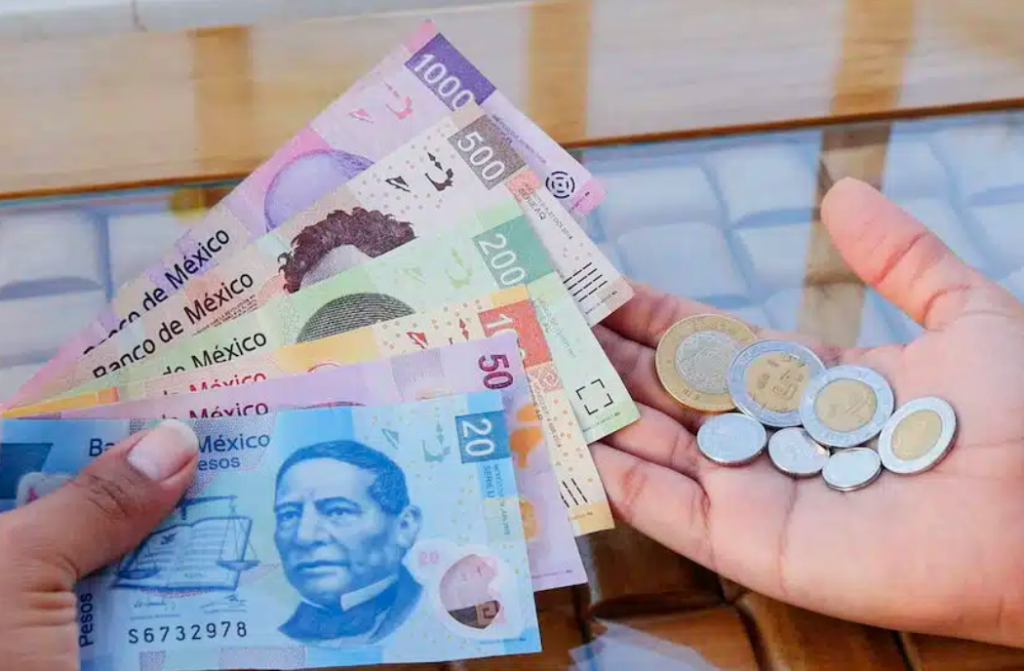
Mexico’s peso-denominated bonds continue to capture global investor attention as volatility in U.S. Treasuries drives capital into higher-yielding emerging markets. In August 2025, foreign holdings of Mexican government securities rose by more than $3.2 billion, marking the strongest monthly inflow since early 2023. Investors are drawn by Banxico’s disciplined monetary policy and real yields that […]

Institutional Investors Eye Mexico’s REIT Market (FIBRAs) Mexico’s listed real estate investment trusts (FIBRAs) continue to gain traction with global institutional investors, offering exposure to logistics, retail, and hospitality assets with attractive yields. As of mid-2025, average distribution yields across leading FIBRAs remain in the 7–8% range, significantly higher than many U.S. and European REITs. […]
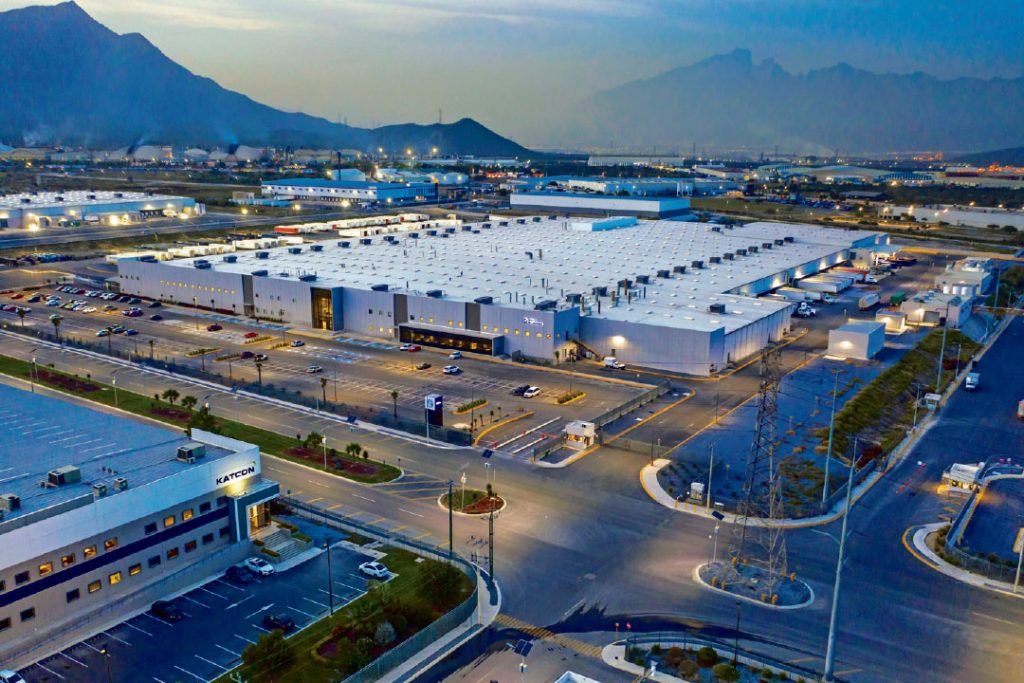
Nearshoring Keeps Industrial Leasing Red-Hot in Northern Mexico Industrial leasing momentum shows no sign of slowing in Mexico’s northern hubs. Monterrey led the country with more than 1.8 million square meters absorbed in 2024, while Saltillo and Tijuana also posted record take-up. Vacancy rates in these markets have compressed below 3%, creating sustained upward pressure […]
Tariff Uncertainty Pushes Investors Toward Mexico
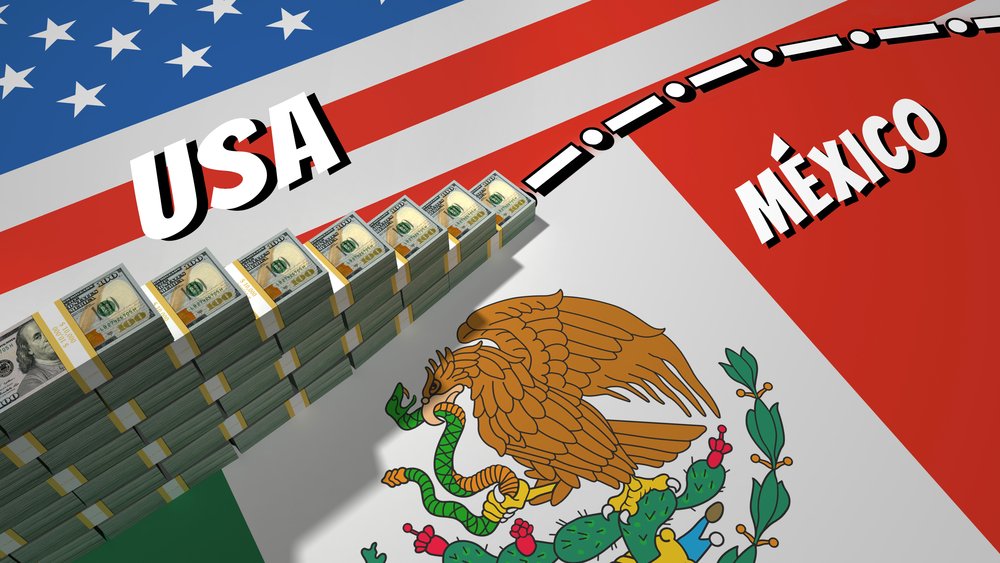
New U.S. tariffs on Asian imports have accelerated the relocation of supply chains into Mexico. The Ministry of Economy reported $36 billion in FDI in 2024, with nearly 40% allocated to manufacturing. This shift has boosted demand for industrial real estate in northern Mexico and created spillover effects in residential and hospitality markets as workers […]
Tourism Arrivals and ADRs Rise in Cancún and Los Cabos

Mexico’s tourism sector continues its recovery and expansion, with SECTUR reporting a 9% increase in international arrivals in 2024. Cancún International Airport processed more than 32 million passengers, while Los Cabos posted occupancy rates exceeding 75%—the highest in the country.
Investors Weigh Performing Assets Against Long-Term Development

Hospitality investors face a strategic decision between acquiring performing resorts or pursuing new developments. Performing assets—stabilized hotels with consistent cash flow—are trading at cap rates between 6–7%, attracting institutional investors prioritizing immediate yield. By contrast, new development projects promise higher IRRs, often above 20%, but involve risks tied to land acquisition, permitting, and construction delays. […]
Peso Gains Ground Amid U.S. Bond and Dollar Volatility
The Mexican peso has emerged as one of the strongest-performing emerging market currencies, appreciating 3% in 2024 against the U.S. dollar. This performance contrasts sharply with declines in the Brazilian real (–5%) and Argentine peso (–30%). Analysts attribute Mexico’s resilience to Banxico’s disciplined monetary policy, which has maintained benchmark rates at restrictive levels, keeping […]