Family Offices Increase Direct Exposure to Mexican Real Assets

Family offices are expanding direct investment and co-investment activity in Mexican real assets. Transparency, control, and alignment are driving this shift away from blind-pool structures. Hospitality, rental housing, and private credit are key focus areas. Why it matters:Capital sourcing is becoming more relationship-driven and less intermediated. Sources:Bloomberg Línea, LatinFinance, OECD. GCM Intelligence is sponsored by […]
Private Credit Expands into Hybrid and Preferred Structures

Private credit in Mexico is evolving beyond bridge loans into preferred equity and hybrid instruments. These structures balance yield with downside protection and reflect borrower demand for flexibility. However, increased complexity places greater emphasis on governance and alignment between lenders and sponsors. Why it matters:Private credit is becoming more influential—and more complex—within capital stacks. Sources:LatinFinance, […]
Build-to-Rent Gains Momentum Amid Affordability Pressures
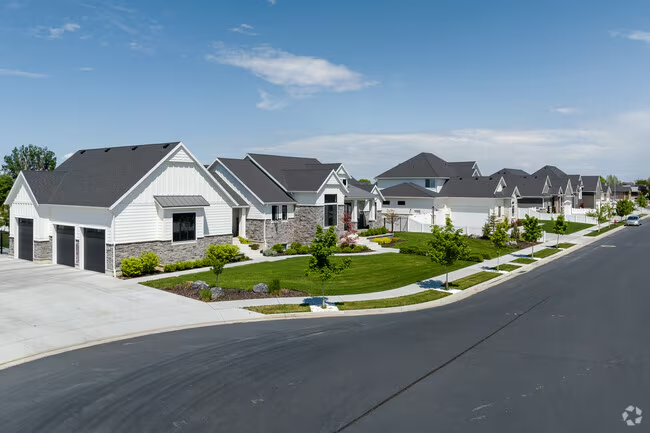
Rising home prices and tighter mortgage access are driving interest in build-to-rent strategies across Mexico. Institutional and private capital are increasingly viewing rental housing as a long-duration income asset. Standardized units, centralized management, and predictable cash flows are attracting long-term allocators seeking stability over appreciation. Why it matters:Rental housing is emerging as a structurally durable […]
Peso Volatility Drives Changes in Capital Stack Design
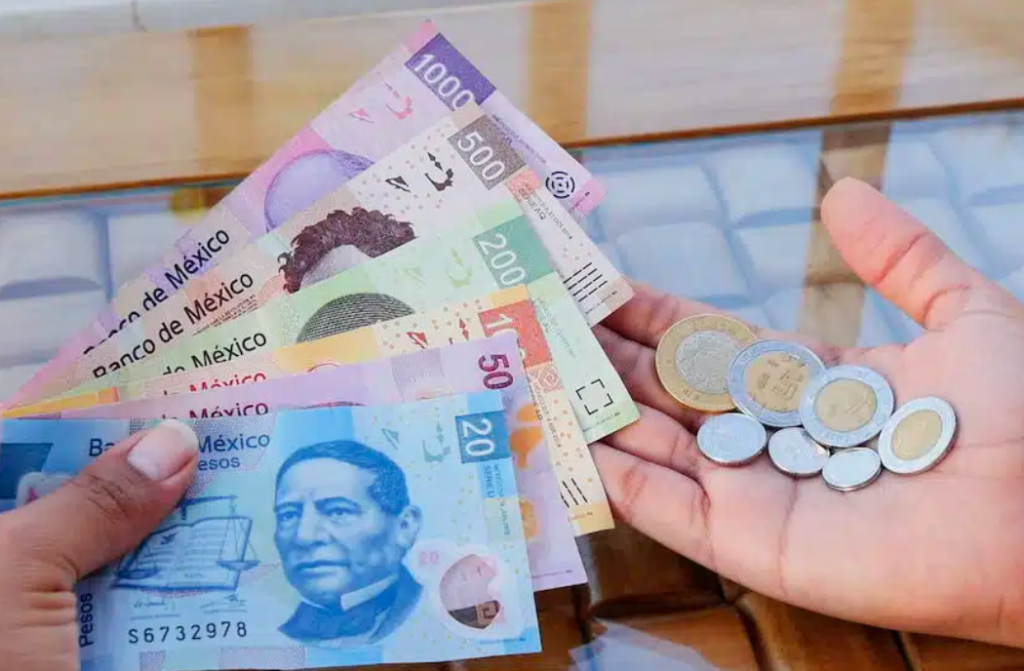
Currency dynamics are reshaping how foreign investors structure exposure to Mexican real assets. Rather than deterring capital, peso volatility is influencing deal terms, leverage levels, and entry strategies. Phased equity deployment, private credit positions, and revenue-matched financing are increasingly common. Hedging costs are now modeled explicitly in underwriting assumptions. This evolution rewards financial sophistication and […]
Water Availability Emerges as a Critical Underwriting Variable

Water scarcity is increasingly influencing investment decisions across industrial, residential, and hospitality assets. In several regions, developers must demonstrate sustainable water sourcing to secure permits and financing. Projects with integrated solutions—recycling systems, desalination, or long-term municipal agreements—are gaining underwriting preference. Assets lacking clarity on water access face delays and higher perceived risk. Investors are responding […]
Mexico’s Power Grid Emerges as a Binding Constraint on Industrial Expansion
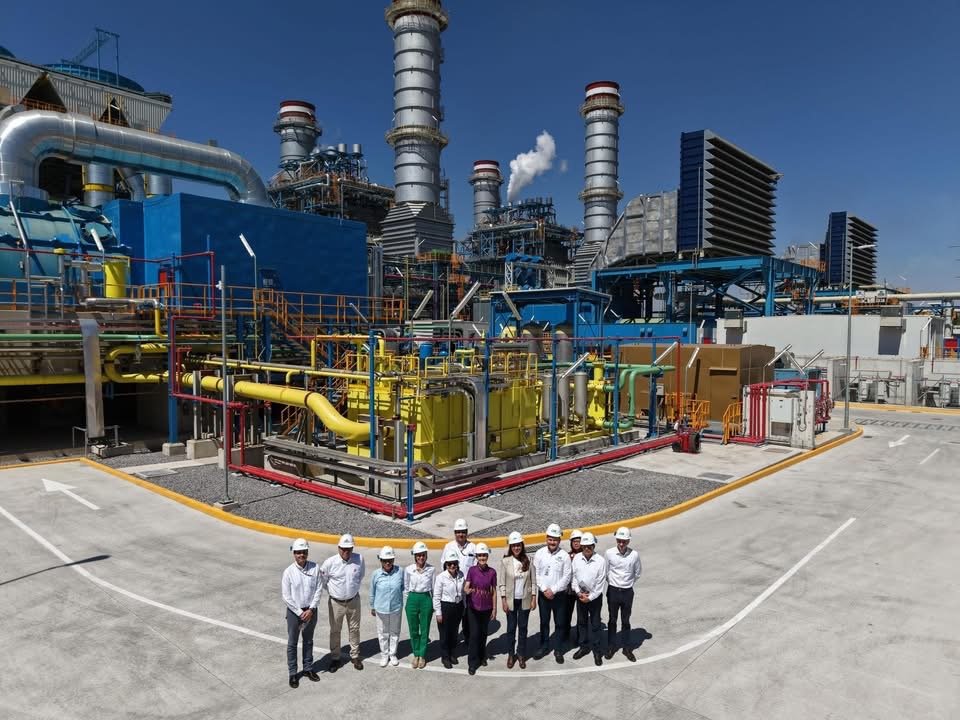
As nearshoring investment continues to flow into Mexico, electrical grid capacity has emerged as a critical constraint shaping where and how new industrial projects move forward. While land availability and labor costs remain important, power reliability is increasingly determining project viability. Industrial developers across northern and central Mexico report longer lead times tied to grid […]
Hospitality Capital Rotates Toward Income-Driven Formats
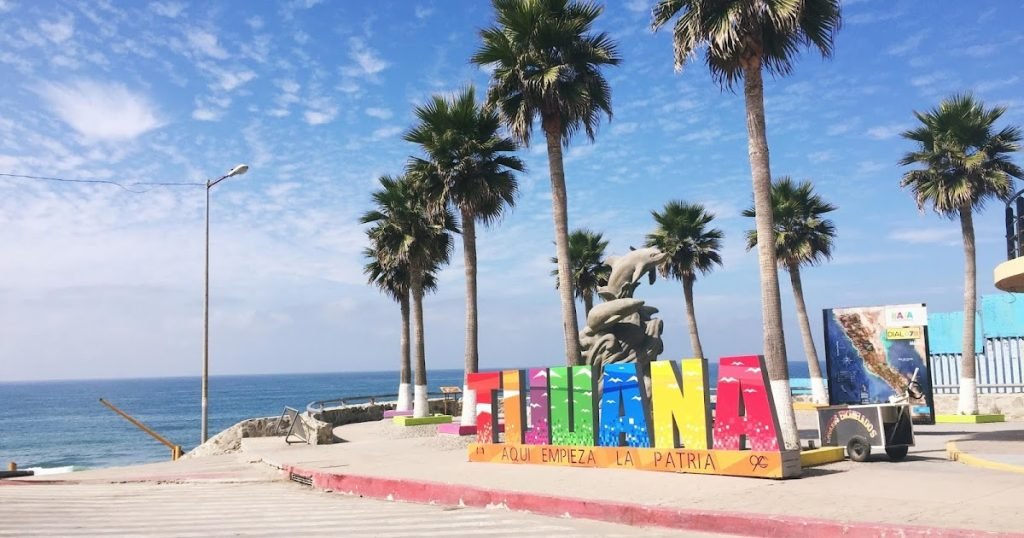
Hospitality investment in Mexico is shifting toward income-oriented and experience-driven formats as investors recalibrate risk. Boutique hotels, mixed-use projects, and lifestyle assets are gaining prominence over large-scale resort developments. Tourism fundamentals remain resilient across destinations such as the Riviera Maya, Los Cabos, and Puerto Vallarta. However, investors are increasingly focused on length of stay, guest […]
Nearshoring Deepens Mexico’s Industrial Advantage
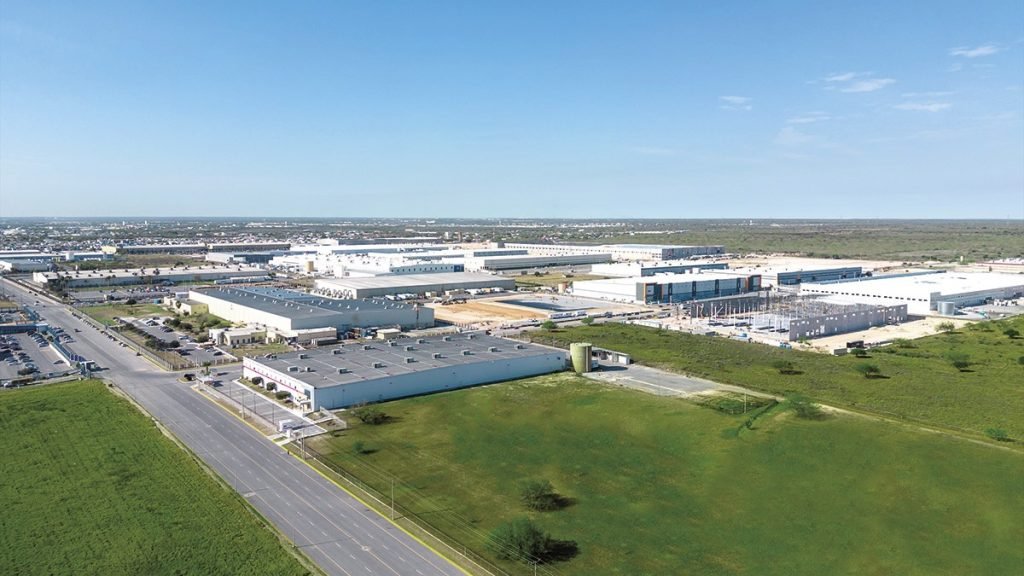
Mexico’s industrial real estate sector continues to expand as nearshoring becomes structurally embedded within North American supply chains. Manufacturers are prioritizing proximity, resilience, and trade alignment over pure labor arbitrage, reinforcing Mexico’s long-term industrial relevance. Core industrial corridors—Monterrey, Saltillo, Tijuana, Ciudad Juárez, and the Bajío—continue to capture the bulk of demand. Absorption has moderated from […]
Cross-Border Capital Flows into Mexican Real Assets Remain Resilient
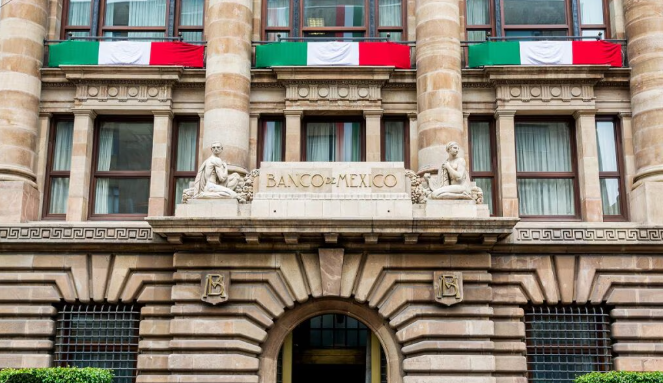
Despite global economic uncertainty and shifting interest rate environments, cross-border capital flows into Mexican real assets remain resilient. Foreign investors continue to be drawn by relative yield advantages, currency diversification, and exposure to long-term structural trends such as nearshoring and tourism growth. North American investors remain the dominant source of foreign capital, but interest from […]
Secondary Cities Emerge as New Frontiers for Alternative Investment
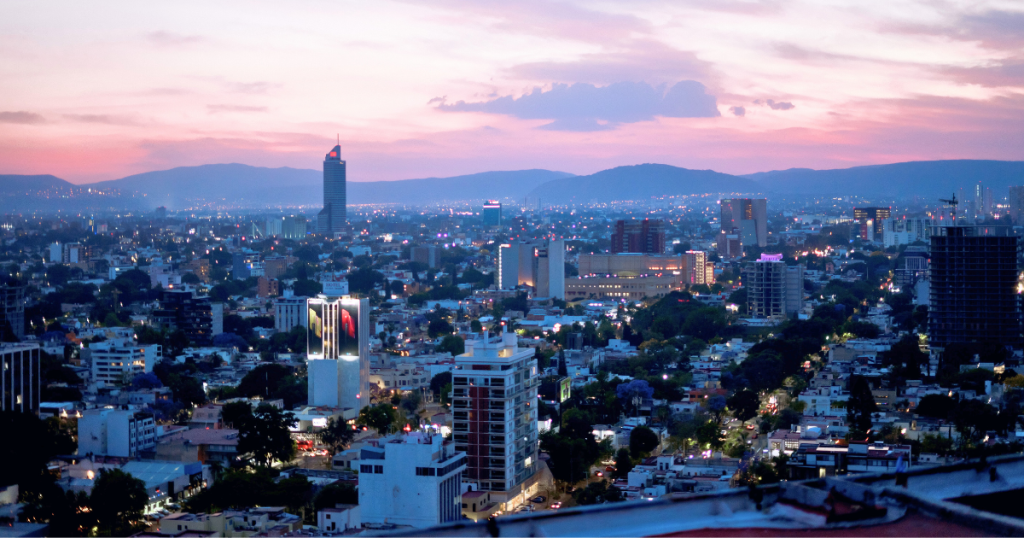
As congestion, land scarcity, and rising costs challenge primary metropolitan markets, secondary cities across Mexico are increasingly attracting alternative investment capital. Improved transportation links, targeted infrastructure spending, and favorable demographics are driving this shift. Cities such as Querétaro, Aguascalientes, Mérida, and San Luis Potosí are benefiting from spillover demand tied to industrial expansion and population […]