Hospitality Capital Rotates Toward Income-Driven Formats

Hospitality investment in Mexico is shifting toward income-oriented and experience-driven formats as investors recalibrate risk. Boutique hotels, mixed-use projects, and lifestyle assets are gaining prominence over large-scale resort developments. Tourism fundamentals remain resilient across destinations such as the Riviera Maya, Los Cabos, and Puerto Vallarta. However, investors are increasingly focused on length of stay, guest […]
Nearshoring Deepens Mexico’s Industrial Advantage

Mexico’s industrial real estate sector continues to expand as nearshoring becomes structurally embedded within North American supply chains. Manufacturers are prioritizing proximity, resilience, and trade alignment over pure labor arbitrage, reinforcing Mexico’s long-term industrial relevance. Core industrial corridors—Monterrey, Saltillo, Tijuana, Ciudad Juárez, and the Bajío—continue to capture the bulk of demand. Absorption has moderated from […]
Cross-Border Capital Flows into Mexican Real Assets Remain Resilient
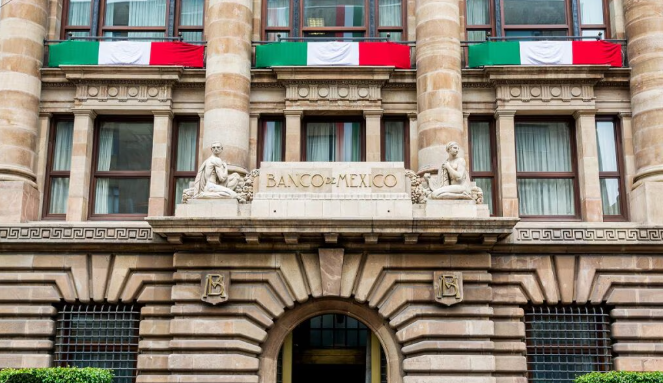
Despite global economic uncertainty and shifting interest rate environments, cross-border capital flows into Mexican real assets remain resilient. Foreign investors continue to be drawn by relative yield advantages, currency diversification, and exposure to long-term structural trends such as nearshoring and tourism growth. North American investors remain the dominant source of foreign capital, but interest from […]
Secondary Cities Emerge as New Frontiers for Alternative Investment
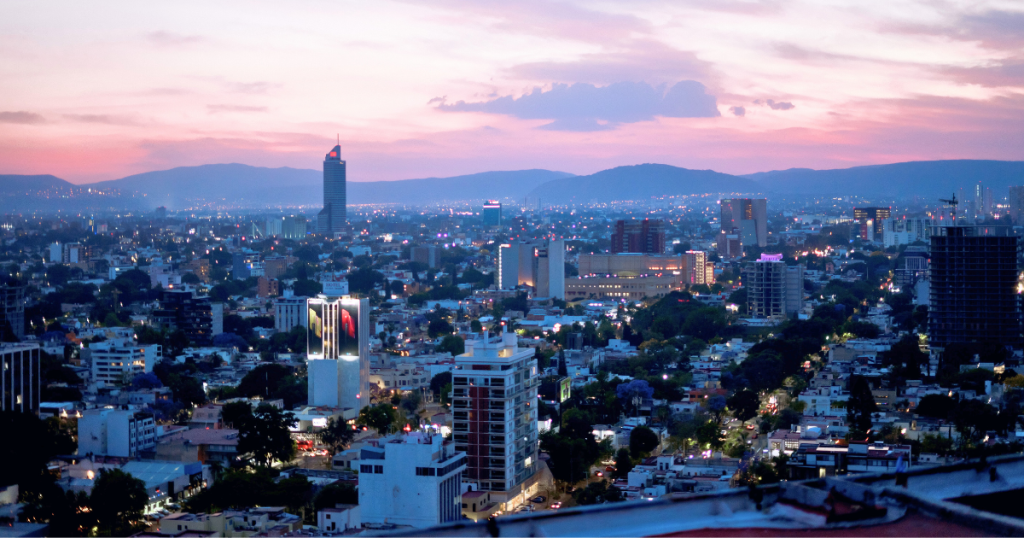
As congestion, land scarcity, and rising costs challenge primary metropolitan markets, secondary cities across Mexico are increasingly attracting alternative investment capital. Improved transportation links, targeted infrastructure spending, and favorable demographics are driving this shift. Cities such as Querétaro, Aguascalientes, Mérida, and San Luis Potosí are benefiting from spillover demand tied to industrial expansion and population […]
ESG Integration Moves from Principle to Practice Across LATAM Investments
Environmental, social, and governance considerations are increasingly embedded into the underwriting and operational decision-making processes of alternative investors across Mexico and Latin America. Rather than treating ESG as a standalone framework, investors are focusing on measurable outcomes tied directly to asset performance and risk mitigation. In real estate and infrastructure, energy efficiency and water management […]
Residential Housing Demand Remains Structurally Undersupplied

Mexico’s residential real estate market continues to face a structural housing shortage, particularly in mid-income and workforce housing segments. Demographic growth, urban migration, and household formation trends are sustaining demand even as affordability pressures increase across major metropolitan areas. According to recent data, new housing supply has not kept pace with population growth, creating persistent […]
Hospitality Investment Shifts Toward Experience-Driven Assets

Hospitality investment across Mexico is evolving as investors increasingly prioritize experience-driven and income-oriented assets over traditional large-scale resort developments. This shift reflects changing traveler behavior, greater segmentation of tourism demand, and a more disciplined approach to capital deployment. Destinations such as the Riviera Maya, Los Cabos, Puerto Vallarta, and select secondary markets continue to post […]
Nearshoring Investment Momentum Builds Across Northern Mexico

Mexico’s industrial real estate sector continues to benefit from sustained nearshoring activity as global manufacturers accelerate efforts to diversify supply chains and reduce geopolitical and logistical risk. Northern Mexico remains at the center of this trend, supported by proximity to the U.S. market, established manufacturing ecosystems, and long-standing trade integration under USMCA. Recent market data […]
Private Credit Expands as Banks Pull Back from Development Lending

Private credit continues to expand across Mexico and Latin America as traditional banks reduce exposure to development-stage and middle-market lending. Regulatory capital requirements, risk management constraints, and macroeconomic uncertainty have limited bank appetite, creating opportunities for non-bank lenders. Private credit funds are increasingly active in real estate-backed lending, offering bridge loans, construction financing, and mezzanine […]
Capital Market Vehicles Gain Institutional Attention in Mexico

Mexico’s alternative investment capital markets are attracting renewed institutional attention as regulatory frameworks governing structured vehicles continue to mature. Instruments such as FIBRAs, CKDs, and CERPIs—once viewed as complex and niche—are increasingly being evaluated as core allocation tools by pension funds, insurance companies, and large asset managers seeking long-duration exposure to real assets. Recent issuance […]